US bill would overcharge EVs to pay for road damage they aren’t doing

Lawmakers have proposed yet another punitive tax on EVs, attempting to balance road budgets solely on the back of the ~2% of vehicles that are responsible for a vanishingly small percentage of road damage. Meanwhile, gas taxes haven’t gone up since 1993… and some are trying to eliminate them entirely.

more…

Musk says Tesla unsupervised FSD will be ‘widespread’ in the US by year-end — again

Elon Musk claimed that Tesla’s unsupervised “Full Self-Driving” will be “widespread in the US by the end of this year” during a virtual appearance at the Smart Mobility Summit in Tel Aviv today. Tesla currently operates fewer than 30 unsupervised robotaxis across three Texas cities.

The claim marks the latest in a decade-long pattern of Musk promising imminent autonomous driving breakthroughs that fail to materialize on schedule.

more…

BYD delays flagship electric SUV launch as preorders surge to over 100,000

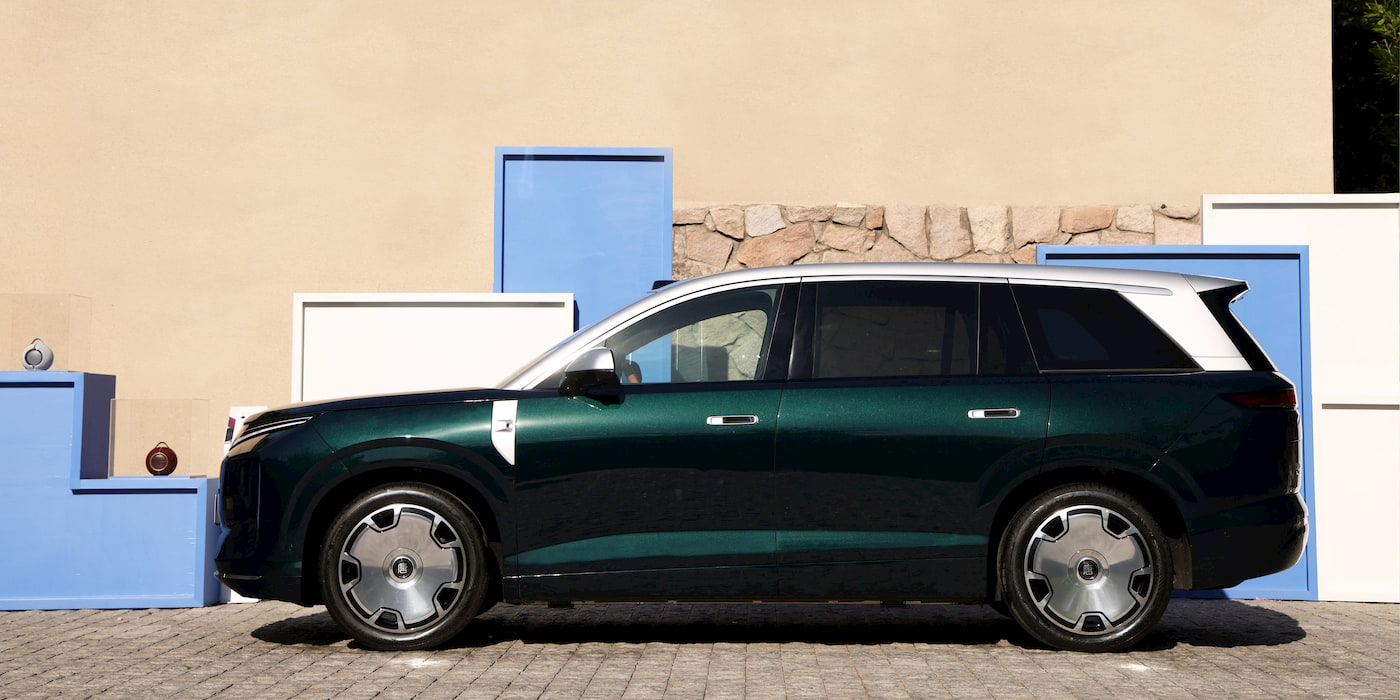
The luxury three-row electric SUV has a driving range of up to 590 miles (950 km) and can recharge in as little as 5 minutes with BYD’s new Blade Battery and Flash Charging system. In China, it starts at under $37,000, but there’s one problem — BYD can’t keep up with demand.

more…

Ford bets on 5 new vehicles, including EVs and Bronco, to spark Europe comeback

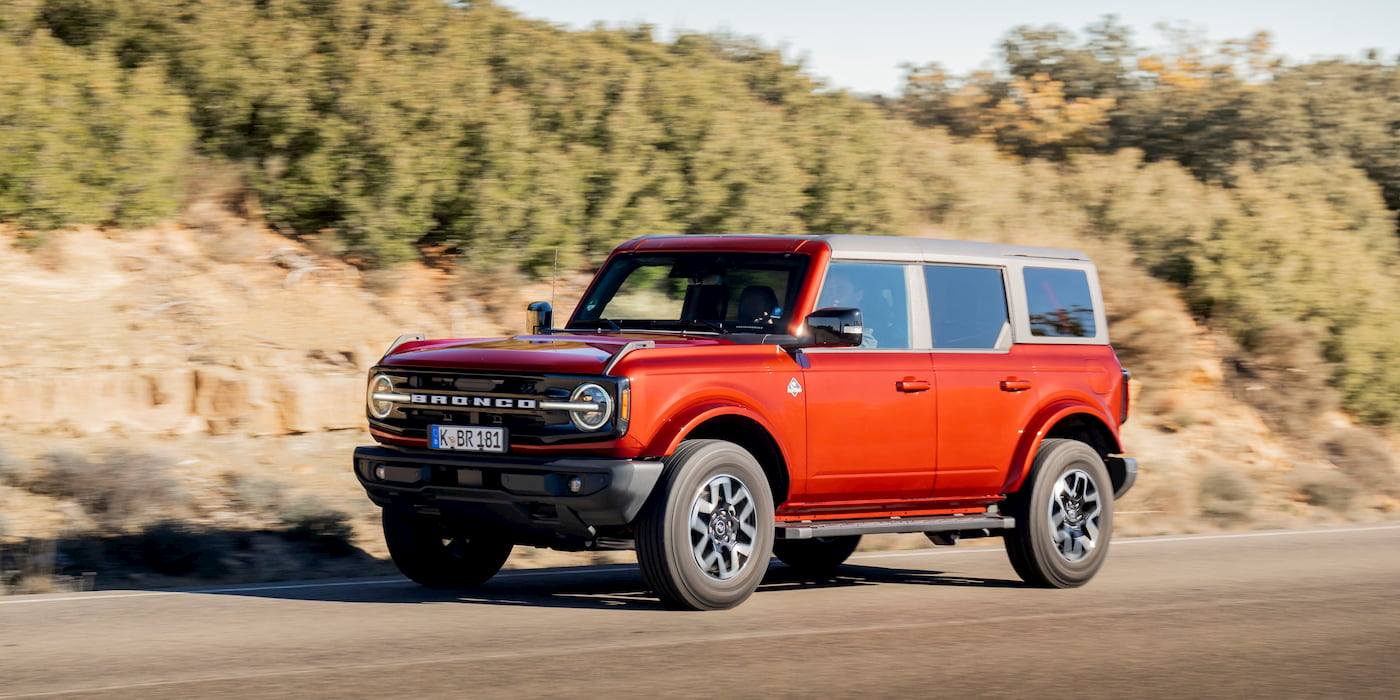
Ford will introduce five new vehicles, including an electrified Bronco and several new EVs, as part of its plans to revive the struggling brand in Europe.

more…

Why every American family should have an e-bike at home

There’s a sentence that still sounds slightly radical in much of America, even though millions of people elsewhere in the world would barely think twice about it: Every family should own an e-bike.

Sure, not every person and not every trip. Maybe not even as a complete replacement for cars. But as a standard household tool? Absolutely!

more…

XPeng (XPEV) rolls first mass-produced robotaxi off the line, a China first

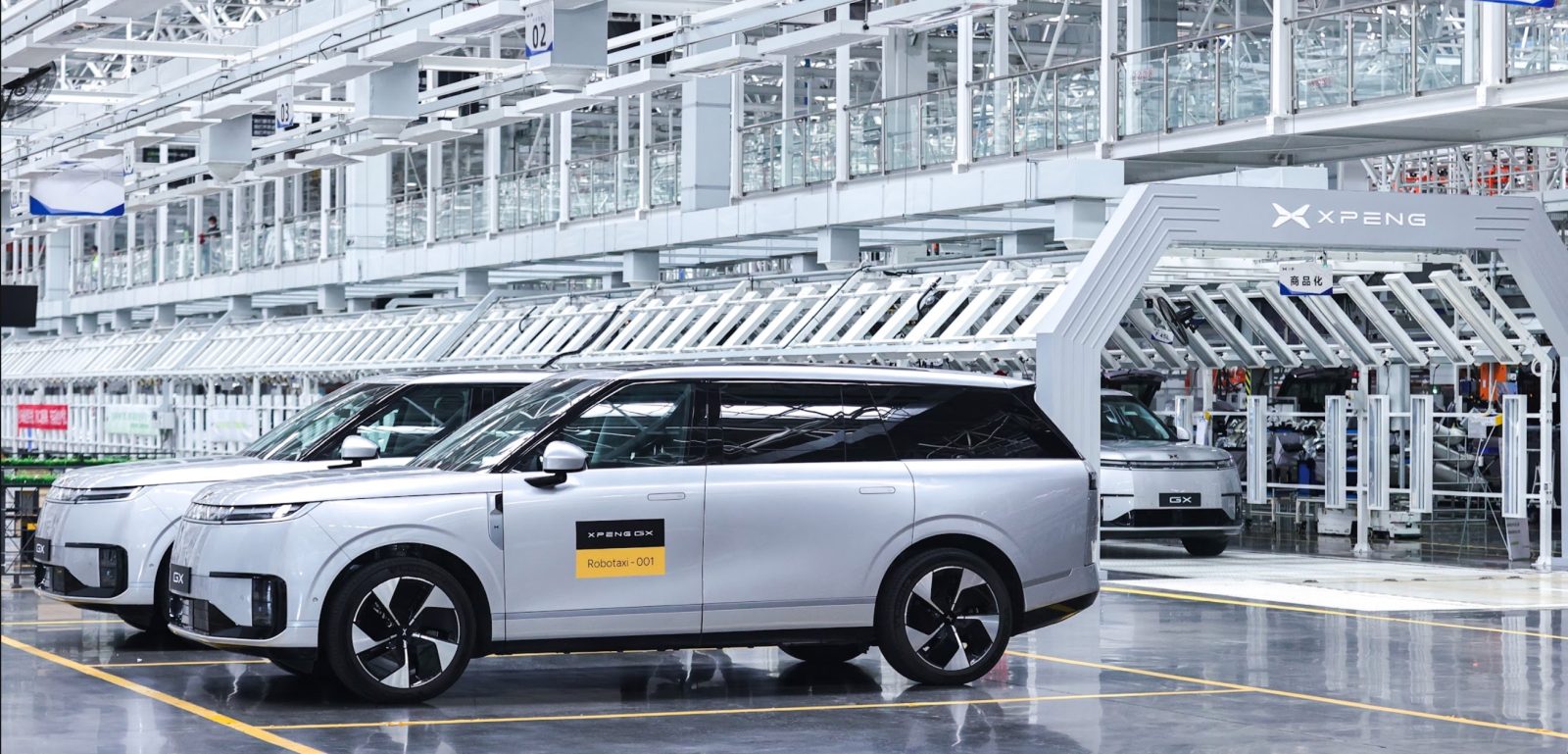
XPeng (NYSE: XPEV) announced today that it has rolled the first mass-produced unit of its robotaxi off the production line in Guangzhou. The milestone makes XPeng the first automaker in China to achieve mass production of a robotaxi built entirely through full-stack, in-house development.

The purpose-built vehicle, engineered to L4 autonomous driving standards, is powered by four of XPeng’s self-developed Turing AI chips delivering 3,000 TOPS of computing power — and it doesn’t use any LiDAR.

more…

Tesla increases Actually Smart Summon speed by 33% in new FSD update

Tesla is rolling out FSD V14.3.3 today, and among the changes is a 33% speed increase to Actually Smart Summon — the feature now tops out at 8 mph, up from the 6 mph cap (less impressive when you put it like that).

The speed bump is part of a broader update (software version 2026.14.6.6) that also merges the Spring 2026 software features with the FSD branch for the first time.

more…

Amazon is deploying these massive cargo e-bikes for deliveries

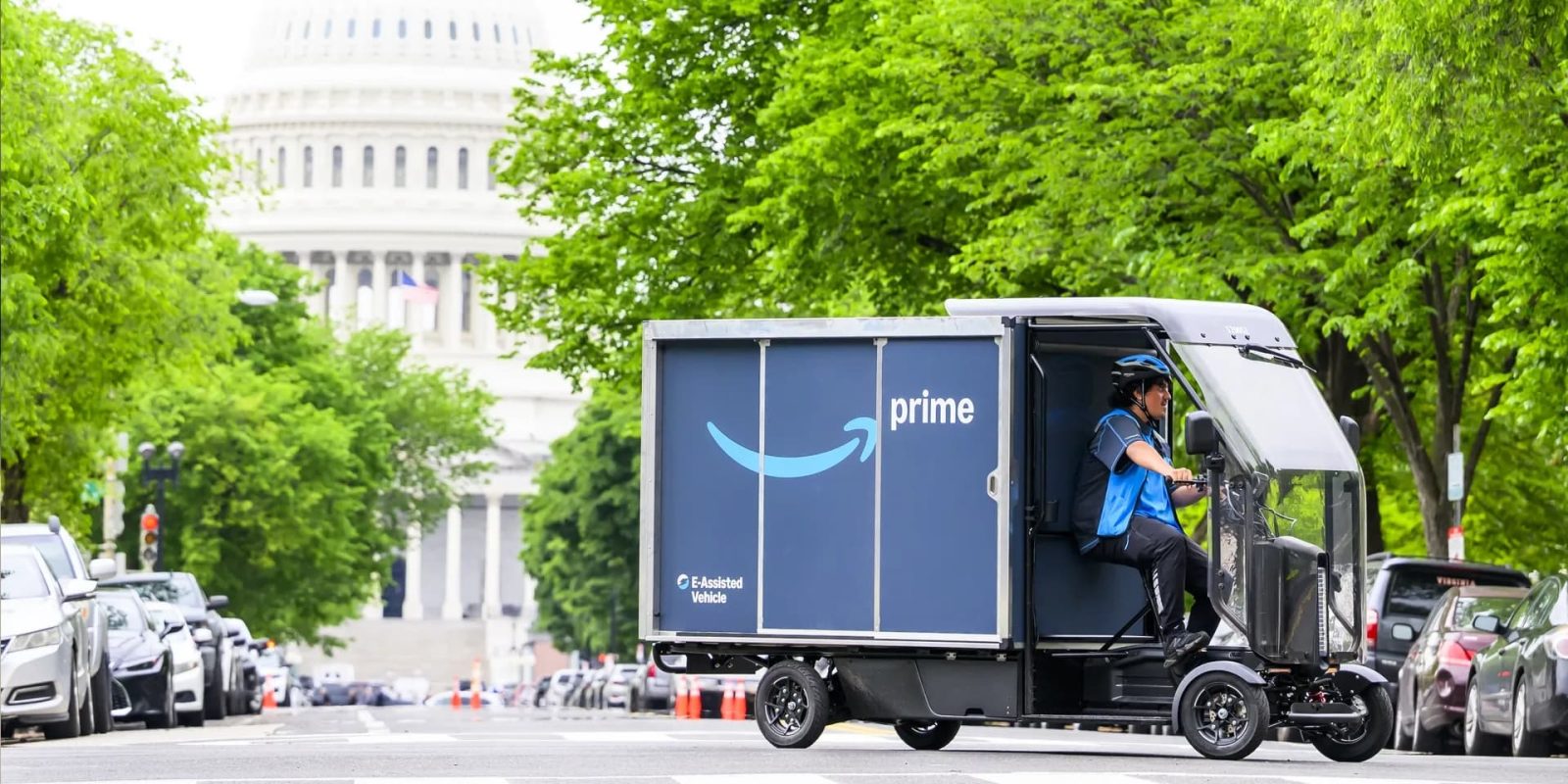
Amazon is officially rolling out e-cargo bike deliveries in Washington, DC, as part of a new pilot program launched in partnership with the District Department of Transportation (DDOT). The ten-month initiative, called “MicroFreight DC,” will see Amazon Delivery Service Partners making neighborhood deliveries using a fleet of battery-powered cargo bikes instead of traditional delivery vans.

more…

Sennebogen shows off electric, autonomous material handler

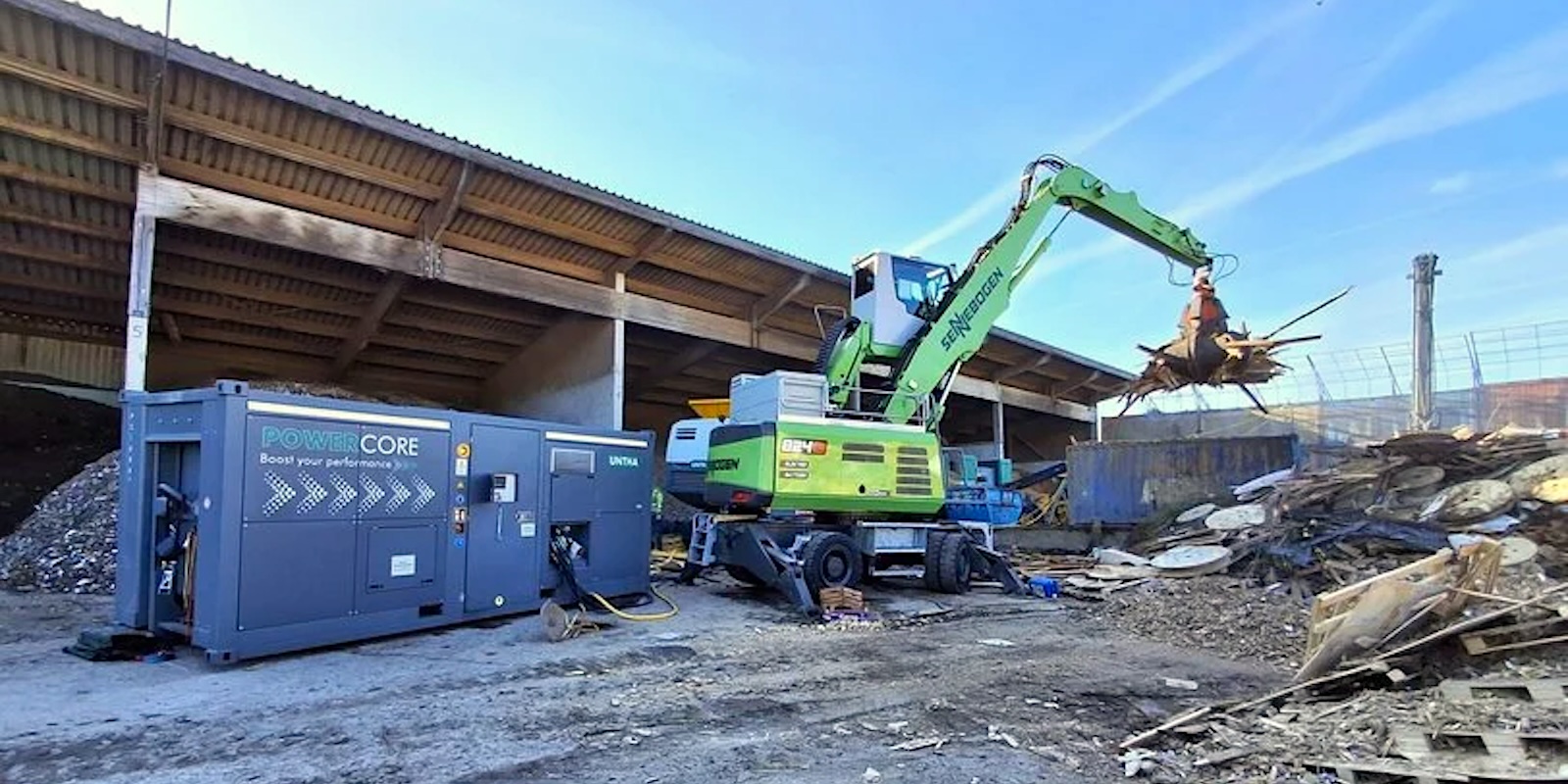
German equipment brand Sennebogen recently demonstrated a semi-autonomous material handling solution that combines an electric wheeled excavator, mobile battery, and a mobile shredder to improve throughput and efficiency in European recycling plants.

more…

Fisker went bankrupt and owners built open source car company from the ashes

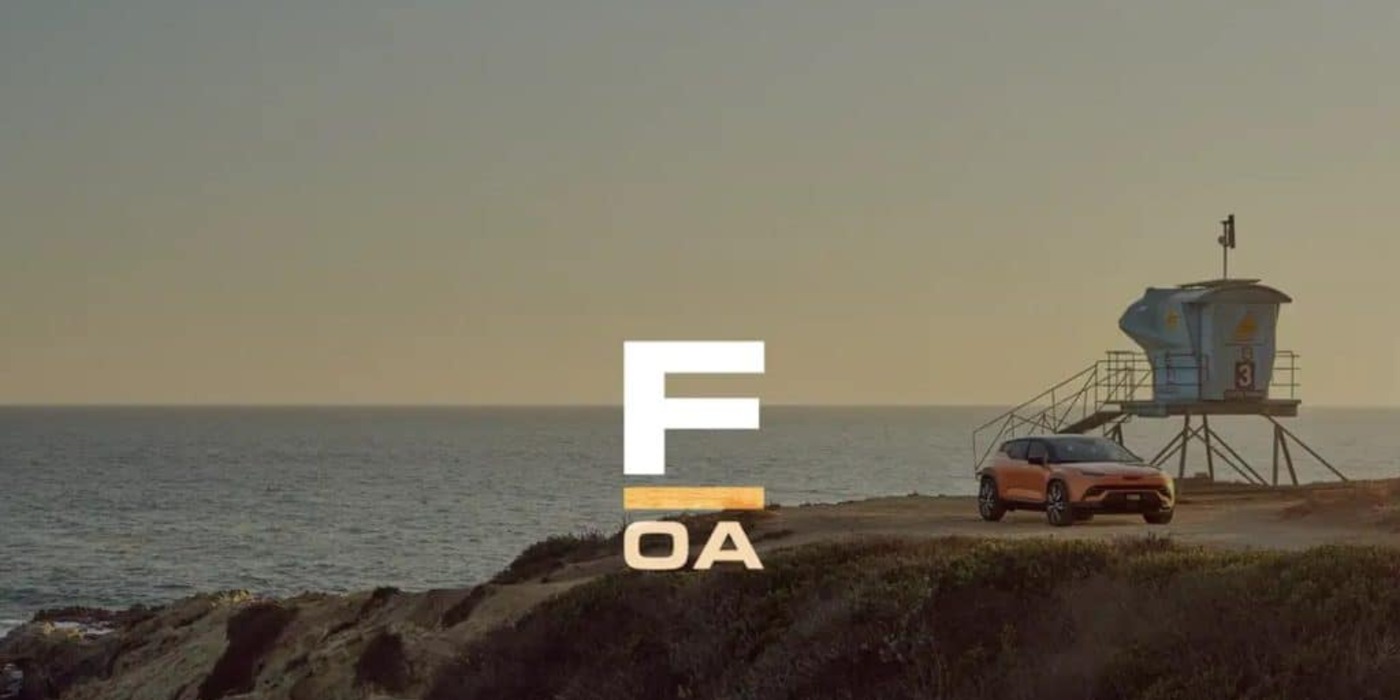
When Fisker Inc. filed for Chapter 11 bankruptcy in June 2024, it left roughly 11,000 Ocean SUV owners holding the keys to vehicles that cost them anywhere from $40,000 to $70,000 — and that were rapidly losing the software brains that made them work. No more over-the-air updates. No more connected services. No more warranty. The manufacturer was dead.

What happened next is one of the most remarkable stories in the history of the electric vehicle industry. Instead of accepting that their cars would become rolling paperweights, Fisker Ocean owners organized, reverse-engineered their vehicles’ proprietary software, hacked into CAN bus networks, built open-source tools on GitHub, and effectively stood up a volunteer-run open-sourced car company from the ashes of Fisker.

more…